
Dimensional Design: Mastering the Technique of Layered Home Accessories
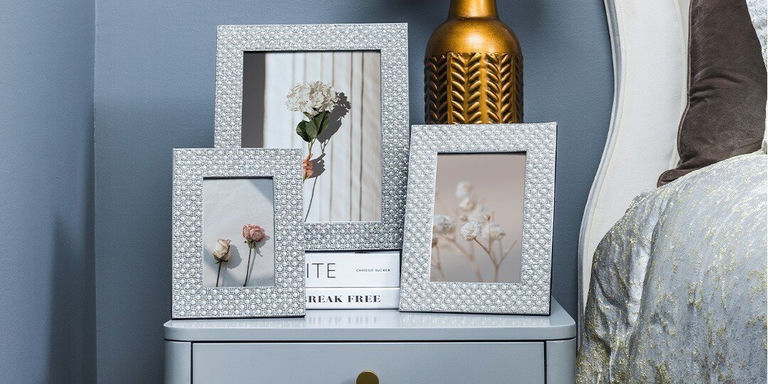
Creating a well-styled home is all about the thoughtful details. Layering home accessories transforms a space from ordinary to extraordinary. It adds depth, personality, and smart dimension. Refreshing your living room, bedroom, or dining area with strategic layering brings balance and elegance to your decor. This smart approach lets you add meaningful pieces while creating a unified look. Your space will feel both expertly put together and comfortably livable.
THE DESIGNER'S SECRET: WHY LAYERING ACCESSORIES MATTERS
Layering home accessories goes beyond simply placing decorative items on a surface. It's about crafting a well-balanced, intentional design that shows your unique style story. Well-done layering adds visual complexity and makes a room feel intentionally designed—not cluttered. It's a stylist's secret technique for achieving a high-end look. At the same time, it maintains livability and personal connection.
THE SECRET TO BALANCED LAYERING
Even simple spaces benefit from thoughtful layering. The key is finding the perfect proportion for your personal look. People who like lots of stuff might add multiple accessories in dramatic groupings. Those with more simple tastes can focus on fewer, high-impact pieces. Use carefully thought-out heights and contrasting textures. Remember that empty space is as important as the objects themselves in creating smart balance.
CREATING YOUR CANVAS: START WITH A STRONG FOUNDATION
Before layering begins, establish key furniture pieces that serve as your foundation canvas. A neutral-toned coffee table, elegant sideboard, or smart console creates a flexible backdrop. From this starting point, you can introduce decor like the Montaigne Picture Frame to add bright shine and unique character. Think of your foundation pieces as the backdrop against which your accessories will beautifully shine.
FOUNDATION ELEMENTS:
- Surface contrast for visual distinction
- Proportional scale relationships
- Functional base layers (trays, books)
- Strategic negative space
- Complementary color foundations
CONTRAST PRINCIPLES:
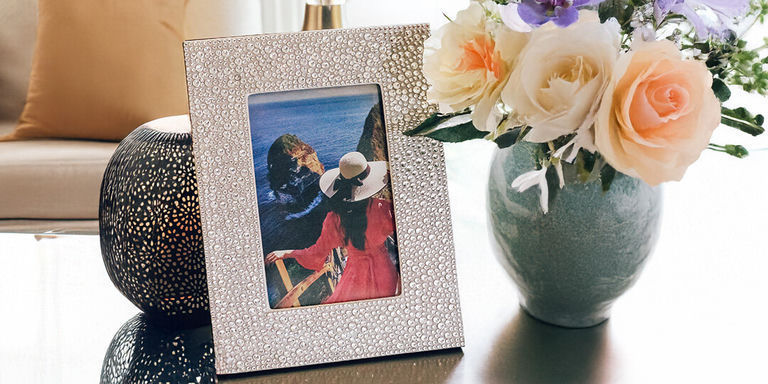
When working with rhinestone elements, the underlying surface color dramatically affects their visual impact. Dark backgrounds make rhinestones appear more brilliant and dramatic. Lighter surfaces create a softer, more delicate effect. This strategic contrast principle helps your shimmering accessories make their maximum visual statement.
CREATING DIMENSIONAL INTEREST: MIX HEIGHTS AND TEXTURES
Layering achieves its most smart effect when you skillfully vary both height and texture. Position tall candlesticks beside a low decorative bowl. Or style luxurious accents like the Fifth Avenue Pillow against crisp, tailored bedding. Mixing ceramic, velvet, crystal, and mirrored finishes adds rich texture. This guides the eye through the space. This multi-layered approach prevents your arrangement from appearing flat or one-dimensional.
The Rule of Three: Heights, Textures, Shapes
The most engaging styled vignettes embrace the rule of three—varying heights that create visual movement, contrasting textures that invite touch, and diverse shapes that maintain visual interest from every angle.
To create perfectly balanced compositions, add these key elements:
- Height variation: Include something tall, something medium, and something short in each grouping
- Texture contrast: Combine smooth (glass, metal), rough (woven, natural), and soft (velvet, fabric) elements
- Shape diversity: Mix geometric forms (square, round, rectangular) within the same arrangement
- Weight balance: Place visually heavier items at the base of arrangements and lighter elements toward the top
When adding rhinestone accessories, balance their captivating sparkle with matte elements. This creates visual harmony. Too many reflective surfaces can compete for attention. Thoughtfully placed shimmering items among textural contrast pieces will truly stand out as smart focal points.
MAXIMIZING SPARKLE: PLAY WITH LIGHT AND REFLECTION
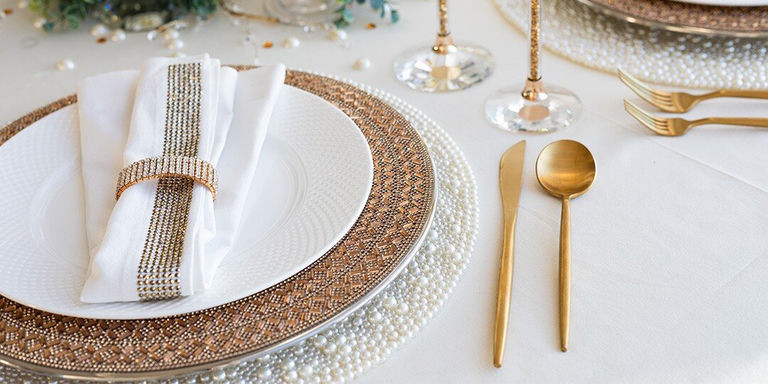
Reflective surfaces expertly amplify both natural and ambient light. Add mirrored trays, rhinestone coasters, or crystal-embellished textiles like a pearl pillow to capture and spread light throughout the room. These bright elements instantly brighten your composition and create a luxurious atmosphere without appearing excessive. Strategic placement of reflective accessories can also visually expand smaller spaces, making them feel more spacious and open.
LIGHT-ENHANCING TECHNIQUES:
- Position rhinestone accents where they'll catch natural light during daytime hours
- Arrange reflective pieces to amplify the glow from table lamps and ambient lighting
- Layer mirrors behind accessories to double their visual impact and light reflection
- Add metallic finishes that complement your rhinestone elements
THE EDITING PROCESS: FINAL TOUCHES FOR A POLISHED LOOK
Once your initial styling is complete, step back and assess the room as a complete composition. Make sure your pieces create balanced distribution and that no single area feels visually overwhelming. A few thoughtful adjustments can dramatically make the overall flow better. Add personal elements—like rhinestone photo frames or monogrammed accessories—to add meaningful personality into your curated display.
THE STEP-BACK PERSPECTIVE
View your arrangement from across the room to check overall balance, scale, and visual impact. This distance provides clarity about which elements dominate and which areas need refinement.
THE REMOVAL EXERCISE
Try removing one item from each grouping—often less creates more smart impact. This editing discipline prevents overcrowding and allows each piece appropriate visual space.
THE COHESION CHECK
Make sure color, style, or material threads connect different elements throughout the space, creating a unified narrative rather than disconnected moments.
INSIDER TIP: THE PHOTOGRAPHY TEST
Professional stylists often use this simple yet effective technique to evaluate their arrangements:
- Photograph your styled vignette: The camera lens provides a more objective perspective than the naked eye
- Review the image on your phone: Notice what elements immediately draw your attention and which areas feel unbalanced
- Make targeted adjustments: Address specific areas that need refinement based on your observations
This technique helps you see your space as a visitor would upon first entering, revealing both strengths and opportunities for improvement in your layered compositions.
Mastering the art of layering home accessories doesn't require professional design credentials—simply a thoughtful approach to composition, contrast, and careful selection. By adding these designer principles, you can transform everyday surfaces into engaging style moments that reflect your personal look.
Let the interplay of texture, height, and strategic sparkle create layered elegance throughout your home, elevating your spaces from simply decorated to beautifully designed.
Comments
Leave a Comment