
Your Table Called—It Wants a Glow Up
Your table does a lot of work. It hosts dinner parties, lazy brunches, birthday spreads, and holiday feasts. But most of the time, it just sits there looking... fine. Not stunning. Not memorable. Just fine. The good news? One simple upgrade changes everything. The right placemat anchors your whole table's style, adds texture and light play, and makes every meal feel like an occasion. You don't need new furniture or a full redesign. You just need to know how to layer.
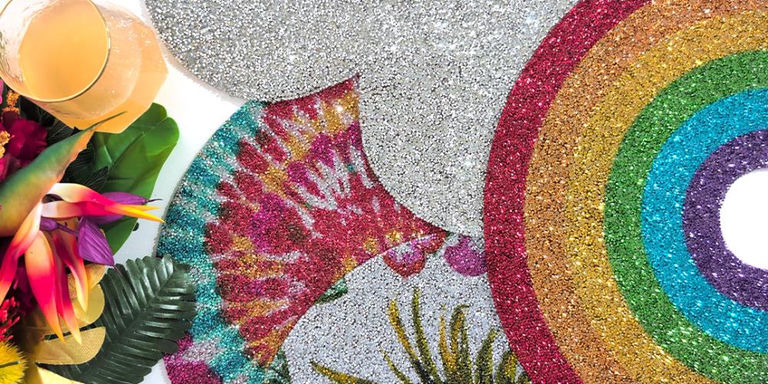
WHY STYLISH PLACEMATS ARE THE MOST UNDERRATED TABLE DECOR ELEMENT
Interior designers treat placemats the way fashion stylists treat shoes. They're functional, yes, but they can also make or break the entire look. A placemat defines each guest's personal space at the table. It anchors dishes, sets the color tone, and adds a layer of visual richness that pulls the whole setting together.
Most people grab whatever matches the tablecloth and call it done. That's a missed opportunity. Think of your table as a canvas. The surface is your base. The placemat is your first real design move. Everything else, including plates, glassware, and candles, builds from there.
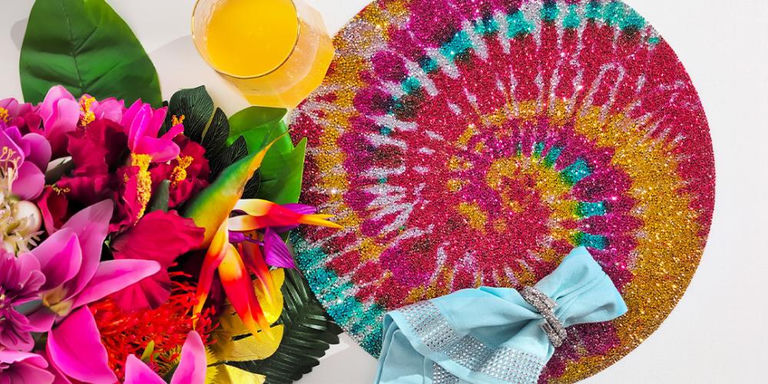
THE DESIGN PRINCIPLE BEHIND A GREAT TABLE
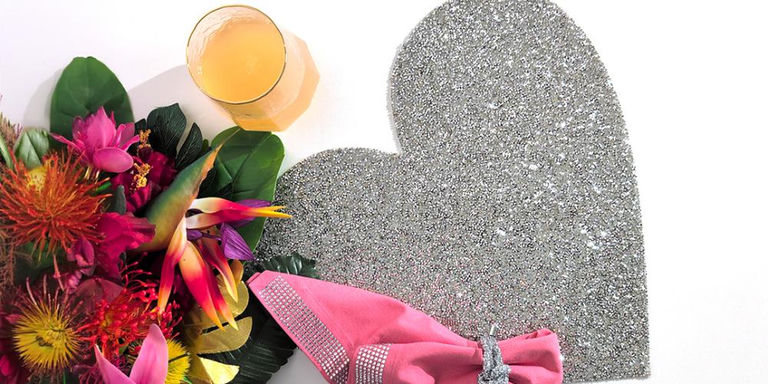
Stylists call it the "triangle of texture": every table setting should include at least three different surface textures. A smooth ceramic plate, a beaded or rhinestone placemat, and a soft linen napkin create the contrast that makes a table feel intentional and refined. Add a fourth element like a faceted glass or a sparkling napkin ring, and the whole setting comes alive.
HOW TO LAYER DECORATIVE PLACEMATS FOR AN ELEVATED TABLE SETTING
Layering is the trick behind tables that look effortlessly pulled together. It's simpler than it sounds. You just think in terms of base, accent, and detail.
Here's a three-layer formula that works for almost any occasion:
- Base layer: A table runner down the center anchors the whole table and creates a visual spine.
- Place layer: Set your placemat at each seat. This is your main color and texture statement.
- Detail layer: Add a charger plate, a folded napkin with a ring, or a small candle to finish each place setting.
Your placemat doesn't have to do all the work. It just needs to be the right foundation. In your space, try choosing a placemat with movement or pattern, then keeping everything else clean and simple. One bold element reads as intentional. Three competing ones read as clutter.
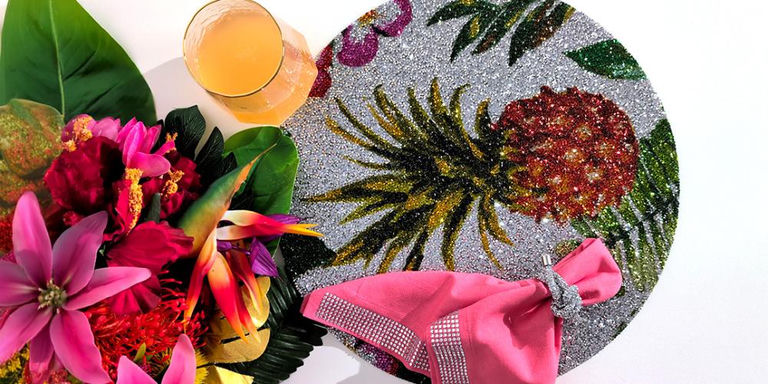
FOR A CASUAL BRUNCH TABLE:
- Bold, colorful placemat as the focal point
- Simple white plates to let the color shine
- Loose napkin fold, no ring needed
- A small bud vase or candle at center
FOR A DINNER PARTY TABLE:
Layer a rhinestone or beaded placemat under a charger plate. The sparkle peeks out around the edges, catching candlelight without competing with your dinnerware. Add a napkin ring with a little shimmer and you've created a setting that feels genuinely luxurious. No elaborate flower arrangement required.
CHOOSING THE RIGHT PLACEMAT STYLE FOR YOUR HOME DECOR AESTHETIC
Not every table calls for the same look. The best placemat for your space depends on the mood you want to create and the lighting you're working with. Natural light and candlelight behave very differently, and the right placemat can work beautifully with both.
Here's how different placemat styles match different aesthetics:
- Vibrant and playful: Color-saturated rhinestone placemats like the Luminous Tie Dye Placemat or the Luminous Tropics Placemat bring energy and personality to casual tables. They work especially well for brunch, outdoor dining, or any setting where you want color to lead.
- Eclectic and maximalist: A multi-color option like the Luminous Rainbow Placemat leans into the "more is more" philosophy. Pair it with solid-color dinnerware so the placemat stays the star.
- Romantic and intimate: A shape-driven piece like the Luminous Heart Placemat adds a soft, personal touch to Valentine's dinners, anniversary tables, or any setting meant to feel special.
- Classic and refined: Beaded or glass rhinestone placemats in gold, silver, or charcoal work in almost any room. They're versatile enough for everyday use and elevated enough for entertaining.
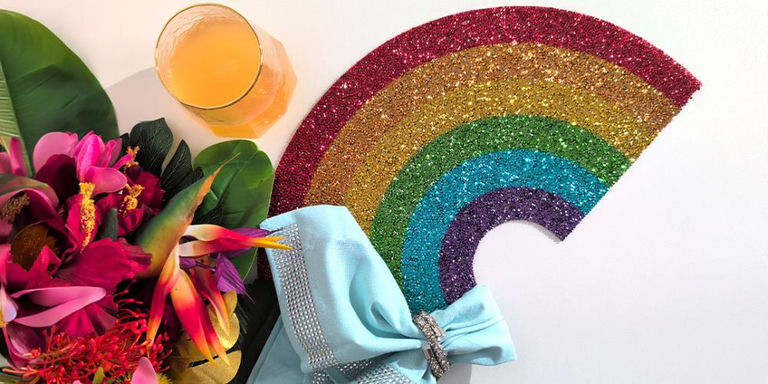
The table you set every day deserves as much thought as the one you set for guests.
TABLE STYLING TIPS: MIXING PATTERNS, COLORS, AND TEXTURES
Mixing patterns sounds intimidating, but there's a simple rule that makes it work every time: vary the scale. A large-scale pattern on your placemat pairs well with a small-scale pattern on your napkin. The contrast creates visual interest without chaos.
A few practical tips for mixing well:
- Stick to two or three colors across your whole table. Pull one color from your placemat and repeat it somewhere else, like in a napkin, a candle, or a centerpiece.
- Mix textures freely. Rhinestone with linen, ceramic with velvet, glass with wood. These combinations feel rich and considered.
- Give each element room to breathe. Crowded tables look cluttered; well-spaced settings look styled.
- When in doubt, go monochromatic. A table set in all gold, all silver, or all white always looks polished.
QUICK TABLE STYLING CHECKLIST:
- Choose a placemat with personality. It's your first design statement
- Layer at least three different textures across your place setting
- Limit your color palette to two or three tones
- Keep dinnerware simple when your placemat is bold
- Consider how your table looks in both natural light and candlelight
A beautiful table isn't about spending more. It's about choosing pieces that work together and placing them with intention. Start with the right placemat and everything else falls into place. Your next brunch, dinner party, or quiet weeknight meal deserves a table that reflects the care you put into it. Give your table the glow-up it's been waiting for.
Comentarios
Dejar un comentario