
The Rise of Textured Glassware: From Tradition to Modern Entertaining
Have you ever picked up a glass and felt an immediate sense of luxury just from its texture? That's not coincidence. Textured glassware has a long, rich history, and today it's making a major comeback in modern entertaining. Whether you're hosting a dinner party or refreshing your everyday table, understanding the story behind textured glass can help you make more intentional, beautiful choices for your home.
THE ANCIENT ROOTS OF TEXTURED AND FACETED GLASSWARE
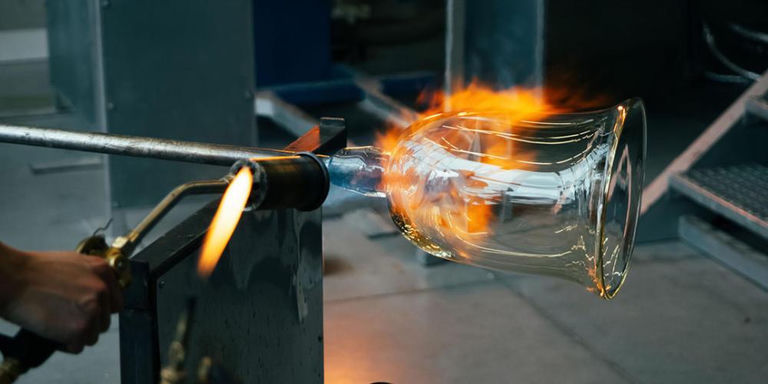
Glassmaking dates back over 3,500 years to ancient Egypt and Mesopotamia, where artisans shaped molten glass by hand into vessels with natural surface variations. These weren't decorative choices. They were the result of early techniques. But even then, the texture added visual depth that made each piece feel special.
By the Roman era, glassblowing had transformed the craft. Craftsmen began pressing molten glass into ribbed molds, creating repeating patterns that caught the light in striking ways. These early textured pieces were status symbols, reserved for the wealthy and the powerful. In our experience, this connection between textured glass and prestige has never really gone away — it's just evolved.
During the Renaissance, Venetian glassmakers on the island of Murano elevated the art form dramatically. Their techniques, including intricate filigree patterns and deep surface cuts, set a gold standard for decorative glassware that lasted for centuries. Murano glass became so prized that the Venetian Republic actually prohibited glassmakers from leaving the island, fearing the secrets of their craft would spread to rival nations.
THE GOLDEN AGE OF CUT CRYSTAL AND PRESSED GLASS
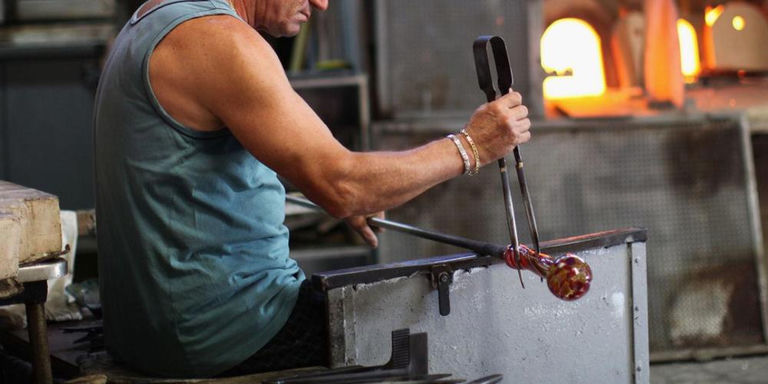
The 18th and 19th centuries brought two major innovations that changed textured glassware forever: lead crystal and mechanical pressing.
Lead crystal, developed in England in the 1670s, made deeply faceted cutting possible. The added lead oxide gave the glass brilliance and clarity that ordinary glass couldn't match. When cut into geometric facets, this crystal scattered light into tiny rainbows across a room. It was breathtaking, and demand grew quickly across Europe and the American colonies.
WHY FACETED GLASS FEELS LUXURIOUS
Faceted surfaces on glassware aren't just beautiful — they're functional. Each angled cut acts like a tiny prism, refracting light and creating shifting reflections as you move. This dynamic quality makes a table feel alive, which is exactly why faceted glassware became the centerpiece of grand Victorian dinner parties and remains a hallmark of refined entertaining today.
Then came pressed glass in the early 1800s. Mechanical presses allowed manufacturers to push molten glass into detailed molds, producing textured patterns at scale for the first time. Suddenly, everyday households could afford glassware with intricate hobnail, daisy, or thumbprint designs. Pressed glass democratized the look of luxury, and that spirit still drives today's textured glassware market.
HOW TEXTURED GLASSWARE SHAPES THE MOOD OF A TABLE
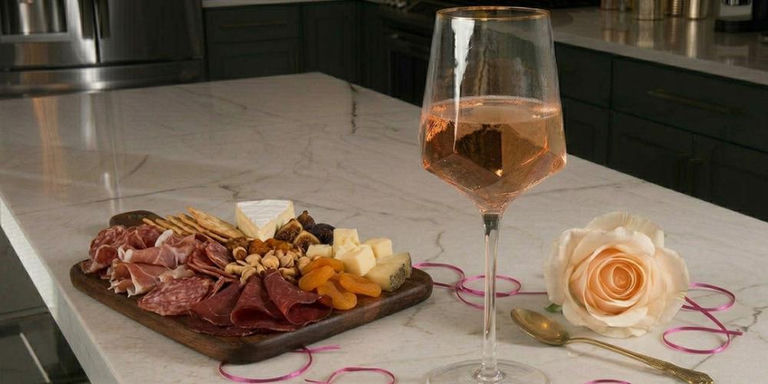
Understanding the design psychology behind texture helps you use it more effectively. Texture does something smooth surfaces can't: it adds visual weight and warmth to a table setting. A smooth glass disappears into its surroundings. A faceted or angular glass draws the eye and anchors the look.
SMOOTH GLASSWARE WORKS BEST FOR:
- Minimalist, modern aesthetics
- Casual, everyday use
- Showcasing colorful cocktails
- Contemporary table settings
TEXTURED GLASSWARE WORKS BEST FOR:
Faceted, angular, or sculpted glasses are ideal for dinner parties and celebratory events. Their light-catching surfaces create visual energy that elevates any setting, from holiday gatherings to weekend brunches. They also pair beautifully with metallic accents, candles, and layered table linens.
Texture also changes how a glass feels in your hand. There's a tactile satisfaction to holding a well-faceted glass: it feels substantial and purposeful. This sensory experience is part of what makes textured glassware such an effective tool for setting the tone of an occasion.
This means when you're planning a dinner party, your glassware isn't just functional...it's part of the atmosphere. Choose angular, faceted pieces for a refined, glamorous feel. Opt for softer hobnail or ribbed textures for a warmer, more relaxed gathering.
MODERN TEXTURED GLASSWARE: FROM TRADITIONAL TO CONTEMPORARY ENTERTAINING
Today's textured glassware bridges centuries of craft with contemporary design sensibilities. The best modern pieces honor the tradition of faceted crystal while using lead-free materials, precise manufacturing, and updated silhouettes that suit how we actually live and entertain now.
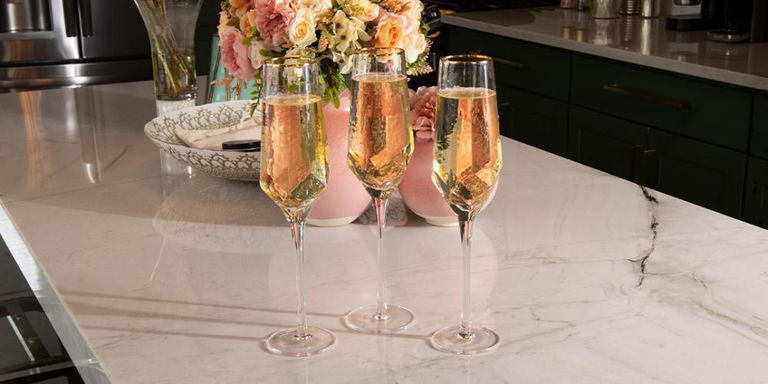
Our Prism Glassware Collection is a strong example of this evolution. Each piece features expertly faceted angular bowls and elegant stems, crafted from high-quality, lead-free glass with gold detailing and a distinctive texture. The collection includes the Prism Drinking Glass, the Prism Wine Glass, and the Prism Toasting Flute. Together, they give a table the layered, light-catching quality of antique cut crystal — without any of the fragility or upkeep concerns of traditional lead crystal.
Good glassware doesn't just hold a drink...it shapes the entire experience of sharing one.
In your space, try mixing textured glassware with simpler elements on the table. Let the faceted glass do the decorative work while your linens, plates, and centerpiece stay clean and understated. This contrast makes each textured piece stand out even more.
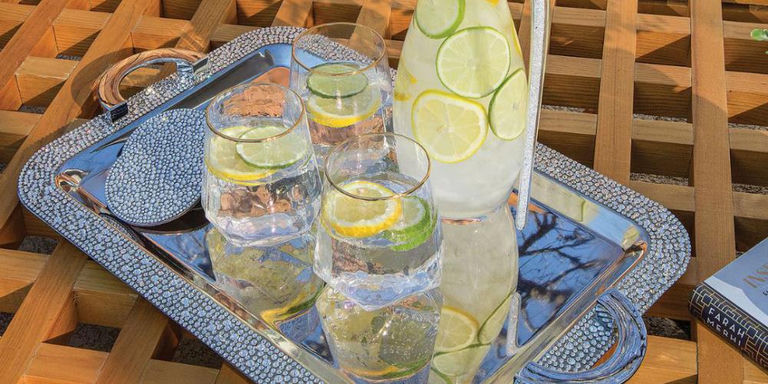
STYLING TEXTURED GLASSWARE FOR ENTERTAINING:
- Place faceted glasses near candlelight to maximize their light-catching effect
- Mix drinking glasses, wine glasses, and flutes from the same collection for a cohesive look
- Pair angular, faceted glass with gold flatware and white linens for a refined table
- Store glasses where natural light hits them. The daytime display adds ambient glamour
- Hand wash gently to preserve the texture and gold detailing over time
Textured glassware has traveled a long road — from hand-formed Egyptian vessels to Venetian crystal rooms to the modern dining table. What hasn't changed is the way a beautifully crafted glass can make an ordinary moment feel worth celebrating. That's the real legacy of this craft, and it's exactly why these pieces belong in a thoughtfully designed home.
Commentaires
Laisser un commentaire