
Glam Dorm Room Essentials: Chic Sparkle Touches For Back To College

Moving to college is a huge space change. You're leaving your personalized bedroom for a shared dorm that feels anonymous at first. Interior design psychology shows that your surroundings deeply affect your mood, grades, and confidence. Creating your own retreat in a small dorm takes understanding both space limits and what you need emotionally.

SMALL SPACE PSYCHOLOGY: WHY DORM ROOM DECOR MATTERS FOR GRADES
Research shows that students do better when they feel ownership over their living spaces. This becomes super important in dorms, where you're often away from family for the first time.
The idea of "spatial identity" explains why some students thrive in dorms while others struggle. When you can express your personality and create familiar comfort, you develop "environmental confidence." In my experience, this feeling that you belong helps you succeed. Key elements include:
- Visual cues that show your identity and goals
- Comfort elements for stressful times
- Organization systems that help both studying and socializing
- Style choices that boost confidence and self-image
THE IDENTITY ANCHORING PRINCIPLE
Professional dorm designers use "identity anchoring." They place 3-5 highly personal items that instantly show who you are. These anchors create emotional connection and help visitors understand your personality. This makes social connections and confidence easier.
MAXIMIZING VISUAL IMPACT IN SMALL DORM ROOMS: DESIGN STRATEGIES THAT WORK
Small space design works differently than regular room decorating. Every item must do multiple jobs while looking great. Professional designers use specific tricks that make rooms feel bigger while adding function and style.
The vertical emphasis principle becomes crucial in dorms where floor space is limited. Drawing eyes upward makes rooms feel much larger while giving you more storage and display space. This approach includes:
- Wall-mounted elements that add personality without taking floor space
- Layered lighting that creates depth beyond harsh overhead lights
- Reflective elements that amplify natural light
- Strategic color placement that guides eyes around the room smoothly
The texture layering trick works especially well in dorms where walls are usually boring. Designers create visual richness by mixing different surfaces, fabrics, and finishes. This turns bland dorm spaces into environments that feel luxurious and personal.
SPACE EXPANSION TECHNIQUES:
- Mirrors that bounce light around
- Vertical storage solutions
- Multi-functional furniture pieces
- Smart mirror placement
LUXURY PERCEPTION BUILDERS:
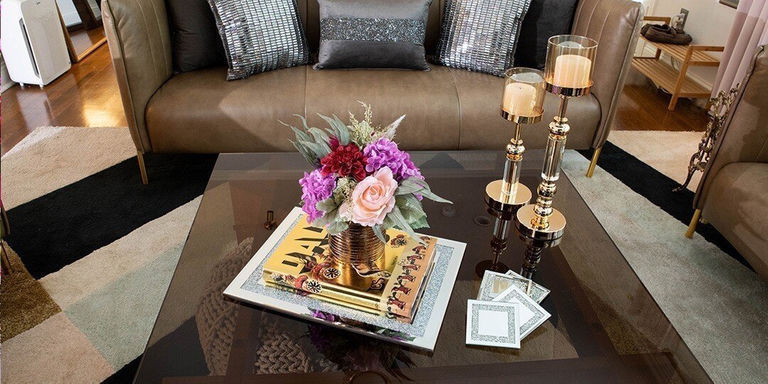
Unexpected materials and finishes elevate basic dorm rooms. Think crystal elements, personalized monogramming, and stylish organization that feels more like a boutique hotel than a dorm.
THE SCIENCE OF STUDY SPACE OPTIMIZATION: CREATING ZONES FOR SUCCESS
Brain research shows that we think differently in spaces made for specific activities. Smart college room organization creates distinct zones within limited space. This lets you shift mental modes as you move between areas for sleep, study, socializing, and getting ready.
The zone definition principle works even in tiny spaces through smart use of color, lighting, texture, and arrangement. Professional space planners create these invisible boundaries through several techniques:
- Lighting changes that signal different activities to your brain
- Texture changes that provide touch cues for mental shifts
- Organization systems that support specific behaviors and routines
- Visual focal points that anchor each zone's purpose
INSIDER TIP: THE PRODUCTIVE LUXURY APPROACH
Educational designers discovered that students study more effectively when their study spaces include luxury elements. Your brain interprets these signals as indicators of importance and value:
- Personalized Elements: Custom accessories like Luminous Monogram Pillows create ownership feelings that improve focus
- Quality Materials: Well-crafted items signal to your brain that the activity is important
- Organized Beauty: Systems that combine function with style reduce mental clutter while inspiring continued use
This approach transforms studying from a chore into something that feels valuable and personally meaningful.
PRACTICAL COLLEGE ROOM ORGANIZATION: SYSTEMS THAT SUPPORT SUCCESS
Effective dorm organization goes way beyond just being tidy. It creates systems that support college life's complex demands while maintaining style standards that contribute to emotional wellbeing. The best approaches combine immediate function with long-term habit formation.
The accessible luxury principle guides professional organizers working with student spaces. Every organizational element should feel pleasant to use while solving real daily challenges. This approach encourages consistent use while contributing to your room's overall design impact:
- Storage solutions that look intentional rather than purely practical
- Surface protection that doubles as decorative elements
- Writing and office supplies that inspire rather than just function
- Personal item storage that maintains privacy while expressing personality
Consider adding functional beauty pieces like the Regent Pen. It transforms routine note-taking into a more mindful, luxurious experience. When study tools feel special, students develop better associations with academic work itself.
DAILY FUNCTION PRIORITIES
Focus on systems you'll use multiple times daily:
- Desktop organization for study materials
- Surface protection for drinks and electronics
- Personal item storage with easy access
- Lighting that supports both work and relaxation
SOCIAL IMPRESSION ELEMENTS
Create welcoming spaces for new friendships:
- Extra seating options for visitors
- Conversation starter decorative pieces
- Shared drink accessories for hosting
- Personal displays that invite questions
BUILDING EMOTIONAL RESILIENCE THROUGH THOUGHTFUL DORM ROOM DECOR
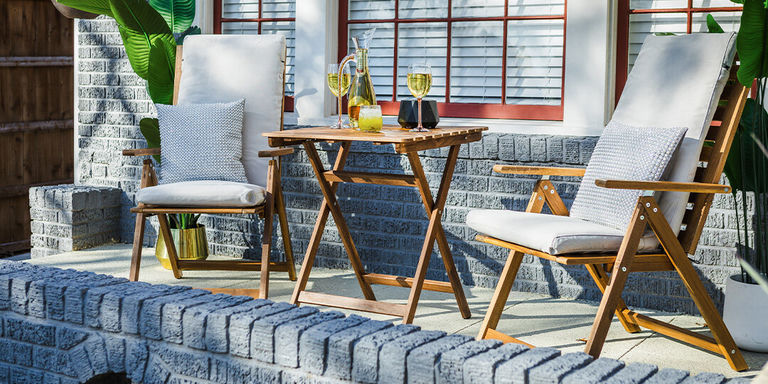
The college transition often involves homesickness, academic stress, and social adjustment challenges. Environmental design can provide crucial emotional support during difficult moments. It creates spaces that actively contribute to mental wellness and stress recovery.
Color psychology research shows that certain combinations promote both alertness for studying and relaxation for recovery. The most effective dorm color schemes include:
- Energizing accents that support motivation and productivity
- Calming base tones that promote restful sleep and stress relief
- Personal color preferences that trigger positive emotional associations
- Reflective elements that amplify available light and create visual interest
The most successful college students create spaces that feel like home away from home—environments that support both academic achievement and emotional wellbeing.
Adding functional beauty through accessories like the Strass Coaster Set demonstrates this principle in action. These pieces protect valuable electronics while creating small moments of daily luxury. This contributes to overall life satisfaction during stressful academic periods.
DORM TRANSFORMATION SUCCESS CHECKLIST
PSYCHOLOGICAL SUPPORT:
- Personal identity anchors throughout space
- Distinct zones for different activities
- Comfort elements for stress relief
- Social spaces for relationship building
PRACTICAL FUNCTION:
- Organized systems for academic materials
- Multi-functional furniture and accessories
- Quality items that inspire daily use
- Easy maintenance and cleaning routines
Your dorm room transformation succeeds when it addresses both college life's practical demands and the deeper psychological needs that support academic and social success. By understanding how thoughtful design choices influence mood, productivity, and social connections, you can create a space that doesn't just look impressive—it actively contributes to your overall college experience. In my experience, the most effective dorm designs feel like sophisticated personal retreats that happen to exist within institutional settings. They provide the emotional foundation for academic achievement and personal growth.
Comments
Leave a Comment